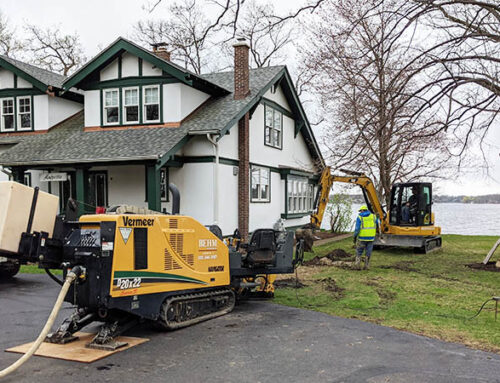


Spring rainstorms are common across Northern Illinois, and while the rain helps lawns and gardens grow, it can also reveal drainage problems around residential properties.
Many homeowners first notice drainage issues when water begins pooling in their yard after heavy rain. What appears to be a small nuisance can sometimes indicate larger grading or soil drainage problems.
Understanding how backyard drainage works can help prevent water damage and protect both landscaping and foundations.
Why Backyard Drainage Matters
Water that collects on a property has to go somewhere. If drainage paths are not properly designed, water may accumulate near structures, patios, or low areas of the yard.
Poor drainage can lead to:
- Standing water in the yard
- Soil erosion
- Damaged landscaping
- Mosquito breeding areas
- Water intrusion near foundations
In areas like McHenry and Kane Counties, clay-rich soil often drains slowly, which makes drainage planning even more important.
Signs Your Yard Has Drainage Problems
Many drainage issues become most visible during spring rainstorms or snowmelt periods.
Common warning signs include:
- Puddles that remain for days after rainfall
- Soft or soggy areas in the lawn
- Water flowing toward the home
- Exposed roots or eroded soil
- Wet spots near patios or driveways
These signs indicate that water is not moving efficiently away from the property.
What Causes Yard Drainage Issues?
Several factors can contribute to poor backyard drainage.
One of the most common causes is improper grading. If the land slopes toward the home rather than away from it, rainwater naturally flows toward the structure.
Other contributing factors include:
- Compacted soil that prevents absorption
- Clay-heavy soil conditions
- Blocked drainage paths
- Landscaping that disrupts natural water flow
- Downspouts that discharge too close to the home
Addressing the root cause is key to preventing recurring drainage problems.
Common Backyard Drainage Solutions
Different properties require different drainage strategies depending on slope, soil type, and property layout.
Some common solutions include:
Grading Adjustments
Recontouring the yard can redirect water away from the home and toward safe drainage areas.
Swales
A shallow drainage channel that guides water across a property.
French Drains
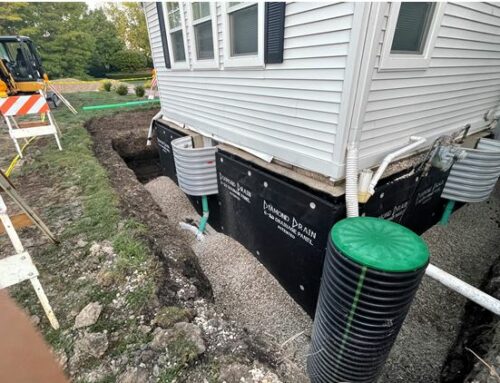
A gravel-filled trench with perforated pipe that collects and moves water away from low spots.
Downspout Extensions
These help carry roof runoff further away from the foundation.
Proper drainage planning often combines several of these methods to create a complete water management system.
Why Drainage Matters During Excavation
Drainage problems are often easier to solve during construction or major landscaping projects.
Excavation work allows contractors to:
- Adjust grading before landscaping is installed
- Install drainage systems beneath the soil surface
- Improve soil conditions around structures
- Prevent water from accumulating near foundations
Planning drainage early can save homeowners from more expensive corrections later.
Protecting Your Property from Water Damage
Water management is one of the most overlooked aspects of residential property maintenance.
By identifying drainage problems early and correcting grading or soil issues, homeowners can protect their landscaping, foundations, and outdoor living spaces.
In Northern Illinois, where seasonal rainfall and clay soils affect how water moves through the ground, thoughtful drainage planning helps properties stay dry and stable year after year.
Get Ahead of Drainage Problems Before They Get Worse
Don’t let standing water turn into costly damage. What starts as a few puddles can quickly lead to foundation issues, erosion, and long-term property concerns—especially with Northern Illinois’ heavy clay soils.
The good news? Most drainage problems can be solved with the right plan.
Get ahead of the next storm by having your property evaluated now. The team at Behm Enterprises specializes in grading, excavation, and drainage solutions designed specifically for Northern Illinois homes.
Contact us today to schedule a consultation and take the first step toward a drier, more protected yard.