

Before starting a home addition, detached garage, driveway, patio, outbuilding, or major outdoor project, it is important to know what may already be underground.
Sewer lines, water service lines, stormwater systems, field tiles, culverts, grading, and existing utilities can all affect where and how construction happens. If they are not reviewed early, a project can run into delays, added work, or unnecessary property disruption.
For Northern Illinois homeowners, early underground utility planning can help determine whether trenching, open excavation, directional boring, grading, or utility repair should be part of the project scope.
Why Should Underground Utilities Be Planned Before Construction?
Underground utilities should be reviewed before construction because sewer lines, water lines, stormwater systems, grading, and site access can directly affect the project. A qualified underground utility and excavation contractor can help identify what needs to be installed, repaired, relocated, or protected before digging begins.
Projects That May Require Underground Utility Planning
Not every project needs new utility installation, but many should include a utility review before excavation begins.
Common examples include:
- Home additions
- Detached garages, pole barns, workshops, or outbuildings
- Driveway replacements or expansions
- Patios, pools, and outdoor living areas
- New construction or custom homes
- Sewer or water service upgrades
- Drainage or grading improvements
- Commercial site work or parking lot projects
Even when no new utility is being installed, existing underground lines may still need to be located, protected, repaired, or worked around.
What Underground Utility Work May Include
The exact scope depends on the property and project, but underground utility work may involve:
- Sanitary sewer lines
- Water service lines
- Storm sewer systems
- Field tiles
- Culverts
- Drainage systems
- Utility conduits
- Site grading and excavation
The purpose is to identify what is below the surface before equipment, concrete, utilities, or structures are added.
Directional Boring vs. Open Excavation
A key planning question is whether the work should be completed with directional boring or open excavation.
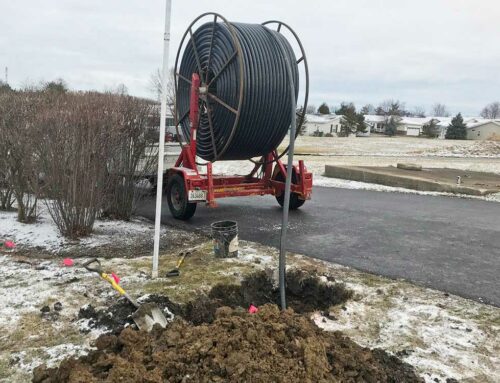
Directional boring, also called horizontal directional drilling, may be useful when a new utility line needs to pass under a driveway, sidewalk, landscaped area, road, or other finished surface. It can reduce surface disruption in the right conditions, but it is not the best solution for every site.
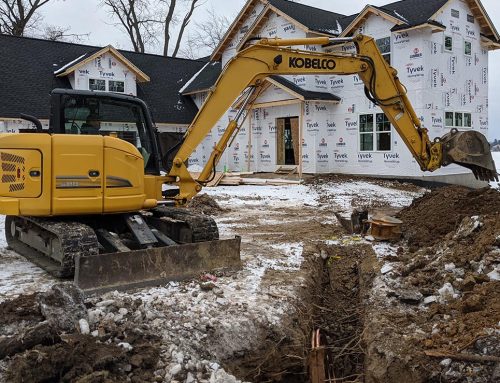
Open excavation may be better when utilities need to be exposed, repaired, replaced, or installed in an area that is already being dug. It is also common for grading, sewer and water repairs, utility trenches, and site preparation.
The best method depends on what needs to be reached, how deep the utility is, what surfaces must be protected, and how much access the crew has.
Common Problems When Utility Planning Happens Too Late
Underground utility planning should happen before the excavation schedule is set. If it is not reviewed until work is already underway, the project may face added work or scheduling issues.
Common problems include:
- Discovering a sewer or water line in the work area
- Needing to remove new concrete or landscaping to access a buried line
- Finding grading or drainage issues after work begins
- Delaying inspections or utility connections
- Choosing the wrong excavation method for the site
- Creating confusion between builders, contractors, and utility crews
Planning ahead will not uncover every possible issue, but it gives the project a cleaner starting point.
Questions to Ask Before Digging
Before starting a project, homeowners should ask:
- Are there sewer, water, or stormwater lines in the work area?
- Will the project require a new utility connection?
- Do any utilities need to be repaired, replaced, or relocated?
- Is directional boring an option?
- Will the driveway, sidewalk, yard, or landscaping be disturbed?
- Will grading or drainage need to change?
- Are permits or inspections likely required?
- Who is responsible for coordinating the underground utility work?
These questions help define who is responsible for the work, what may be disturbed, and what needs to happen before digging starts.
Why Northern Illinois Experience Matters
Underground work can change from one property to the next, especially in established Northern Illinois neighborhoods. Soil conditions, freeze-thaw cycles, older infrastructure, mature trees, municipal requirements, and access limitations can all affect how the work should be planned.
The challenge is often not just installing or repairing a line. It is understanding how to work around existing homes, driveways, utilities, landscaping, and drainage patterns.
A contractor familiar with Northern Illinois site conditions can better plan around access, soil, grading, utility conflicts, and restoration needs.
When to Call Behm Enterprises
Behm Enterprises works with homeowners, builders, contractors, and property owners on underground utility installation, sewer and water service work, directional drilling/boring, grading, excavation, and site utilities.
Call Behm before starting projects such as:
- Home additions
- Detached garages
- Driveway replacements
- Outdoor living projects
- New utility connections
- Sewer or water service repairs
- Site grading or excavation work
Bring Behm in before the digging starts so utility needs can be reviewed while the project is still being planned.
Plan the Underground Work Before the Project Starts
Before building above ground, make sure the underground work has been considered. Sewer lines, water service lines, stormwater systems, grading, and site access can all affect a home addition, garage, driveway, or outdoor project.
If your next project involves digging, utility access, sewer or water service work, directional boring, or grading, contact Behm Enterprises before construction begins. Planning early can help avoid unnecessary disruption, missed utility issues, and costly changes once work is underway.
FAQ
Do I need to check underground utilities before building a home addition?
Yes. A home addition may affect sewer, water, stormwater, grading, or utility access. Reviewing underground utilities early can help avoid conflicts once excavation begins.
What underground utilities may affect a residential project?
Common systems include sewer lines, water service lines, storm sewer lines, field tiles, culverts, drainage systems, and utility conduits.
Is directional boring better than trenching?
Directional boring may be better when a line needs to pass under a driveway, sidewalk, road, or landscaped area. Trenching or open excavation may be better when utilities need to be exposed, repaired, or installed in an already disturbed area.
When should I call an excavation or utility contractor?
Call before digging begins. It is better to review sewer, water, grading, drainage, and site access before the project schedule is finalized.
Can underground utility work delay a construction project?
Yes, especially if utility conflicts or repairs are discovered after construction starts. Early planning helps reduce avoidable surprises.