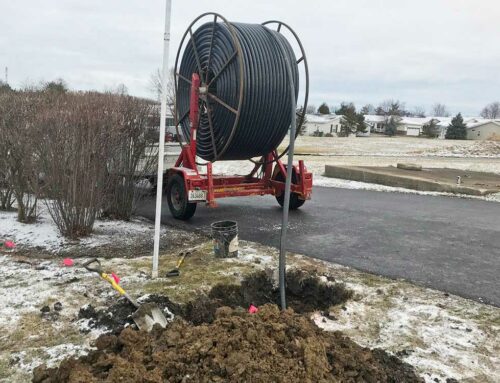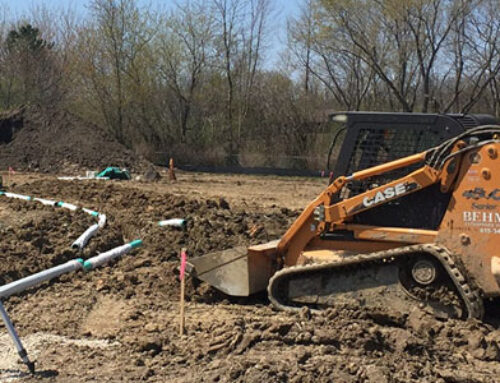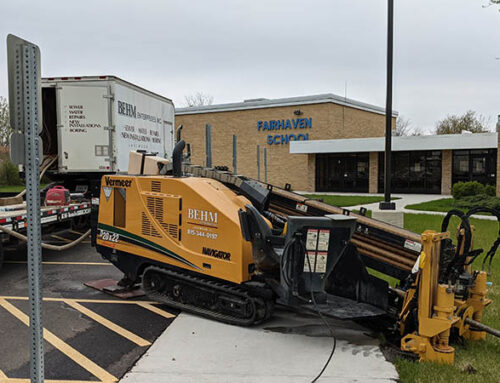


When you drive past a new subdivision, a commercial development, or a public works project, you might notice the heavy equipment, the trenches, and the crews in hard hats. What you might not see — but is absolutely essential — is the underground infrastructure being installed before anything else gets built. These are utility site services, and they’re the backbone of every modern community.
In simple terms, utility site services involve designing, installing, and maintaining the underground systems that keep homes, businesses, and public facilities running. Without them, there would be no clean water from the tap, no sewer systems to remove waste, and no safe routing for stormwater.
Let’s take a closer look at what utility site services include, why they’re so important, and how a professional contractor ensures the job is done right the first time.
What Are Utility Site Services?
Utility site services refer to the installation and maintenance of underground infrastructure for residential, commercial, and municipal projects. These services typically include:
- Water mains and service lines – Delivering clean, safe drinking water to properties.
- Sanitary sewer systems – Transporting wastewater to treatment facilities.
- Storm sewer systems – Managing rainwater runoff to prevent flooding and erosion.
- Utility coordination – Ensuring all underground systems are placed efficiently and without conflicts.
These systems are often installed before roads are paved, foundations are poured, or landscaping is completed — making them one of the very first steps in site development.
Why Utility Site Services Are Essential
A well-designed utility system doesn’t just deliver basic services — it safeguards public health, protects the environment, and ensures communities function smoothly. Here’s why they matter:
- Public Health & Safety – Proper water and sewer systems prevent contamination and reduce disease risks.
- Environmental Protection – Stormwater systems minimize flooding and control pollutants entering local waterways.
- Long-Term Infrastructure Reliability – Quality installation means fewer repairs, less downtime, and lower maintenance costs over time.
- Efficient Project Completion – Coordinating utility installation early in a project avoids costly delays later.
Common Questions About Utility Site Services
1. Who Needs Utility Site Services?
Anyone planning a new development, whether it’s a single home, a business complex, or a municipal project, will likely require underground utility installation. Even existing properties may need upgrades or repairs to outdated systems.
2. How Do Contractors Locate Existing Utilities?
Before any digging begins, contractors use utility maps, locator equipment, and coordination with local utility companies to identify existing lines. This step prevents damage and ensures safe installation.
3. What’s the Difference Between Sanitary and Storm Sewer Systems?
A sanitary sewer system carries wastewater from sinks, toilets, and drains to a treatment plant. A storm sewer system handles rainwater runoff from streets, parking lots, and roofs — directing it to natural waterways or retention basins.
4. How Long Do Utility Installations Take?
Timeframes vary based on project size, weather, soil conditions, and permitting requirements. A residential installation may take days, while a large municipal project can take months.
Key Steps in a Utility Site Services Project
A professional utility contractor follows a structured process to ensure safe, efficient, and compliant installation:
- Site Assessment – Evaluating soil type, grading, and existing utilities.
- Planning & Permitting – Designing systems that meet local codes and securing required approvals.
- Excavation & Installation – Digging trenches, placing pipes, and connecting systems.
- Testing & Inspection – Ensuring the systems meet performance and safety standards.
- Backfilling & Site Restoration – Covering trenches and returning the site to a workable condition for the next phase of construction.
Choosing the Right Utility Site Services Contractor
The success of an underground utility installation depends heavily on the contractor’s experience and attention to detail. When selecting a provider, look for:
- Proven expertise in residential, commercial, and municipal projects.
- Up-to-date equipment for efficient, precise installation.
- Strong safety record and compliance with all regulations.
- Local knowledge of soil conditions, weather, and permitting processes.
Hiring the right team means fewer delays, better quality work, and long-term system reliability.
Key Takeaways
- Utility site services are essential for delivering water, managing wastewater, and controlling stormwater.
- Proper installation ensures public health, environmental protection, and reliable infrastructure.
- A well-qualified contractor will handle everything from planning to final inspection, keeping projects on schedule and compliant.
Ready to Get Started?
At Behm Enterprises, we bring decades of experience in underground utility installation for residential, commercial, and municipal clients throughout McHenry County, Lake County, and Northern Cook County. Our team works closely with project managers, engineers, and municipalities to ensure your utility systems are installed safely, efficiently, and built to last.
Contact us today to discuss your project and learn how we can help lay the groundwork for your success.